NOMINIS & CryptoSwift's Joint Webinar: Recap
In a recent joint webinar, NOMINIS and CryptoSwift examined the convergence of TradFi and DeFi, how the Travel Rule is shaping crypto compliance, why its effective implementation depends on intelligence quality rather than simple data exchange. Snir Levi, CEO of NOMINIS, and Uve Poom, COO of CryptoSwift, discussed the regulatory intent behind the Travel Rule, its current adoption challenges, and the operational realities faced by exchanges, banks, and other VASPs.
A key takeaway from the session was that Travel Rule compliance is fundamentally an attribution problem. The Travel Rule was originally a TradFi regulation created for banks, dealing with fiat currency.
Meanwhile, in a pseudonymous blockchain environment, accurately identifying wallet ownership is essential to preventing fraud, money laundering, and terror financing. The speakers highlighted real-world risks stemming from misattributed wallets, including cases where financial institutions approved high-risk transactions due to outdated or incorrect intelligence.
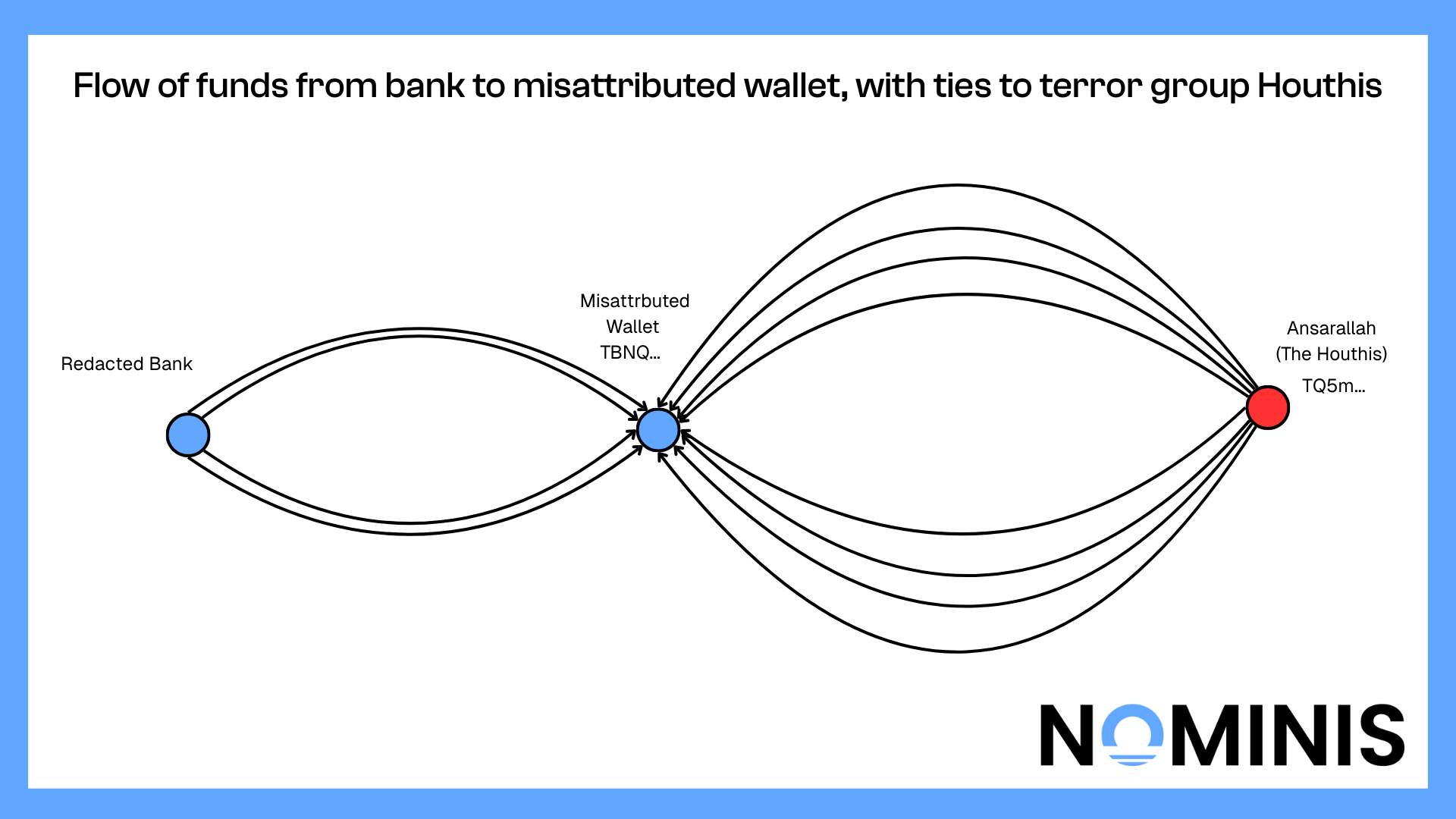
Levi from NOMINIS emphasised that inaccurate wallet labelling remains one of the most significant sources of risk in crypto compliance today. His presentation highlighted a real world case, where a bank approved a large transaction, $250,000 after a wallet was mistakenly categorised as a legitimate exchange, despite its exposure to illicit and terror-linked activity. The failure did not stem from the Travel Rule framework itself, but from flawed attribution intelligence. This example underscored why dynamic clustering, behavioural analysis, and continuous intelligence updates are essential in modern blockchain investigations.
The discussion emphasized the importance of combining blockchain analytics with KYT, wallet clustering, behavioral analysis, and off-chain intelligence to build a more reliable risk picture. When integrated effectively, Travel Rule data can help compliance teams validate wallet ownership, reduce false positives, improve regulatory defensibility, and detect illicit activity earlier.
CryptoSwift also explored how Travel Rule messaging infrastructure works in practice, comparing centralized and decentralized network models, as well as post-transaction workflows versus emerging regulatory pressure for pre-transaction verification. As global standards continue to evolve, the session underscored that firms investing in intelligence-driven compliance will be best positioned to meet regulatory expectations and mitigate financial crime in crypto.
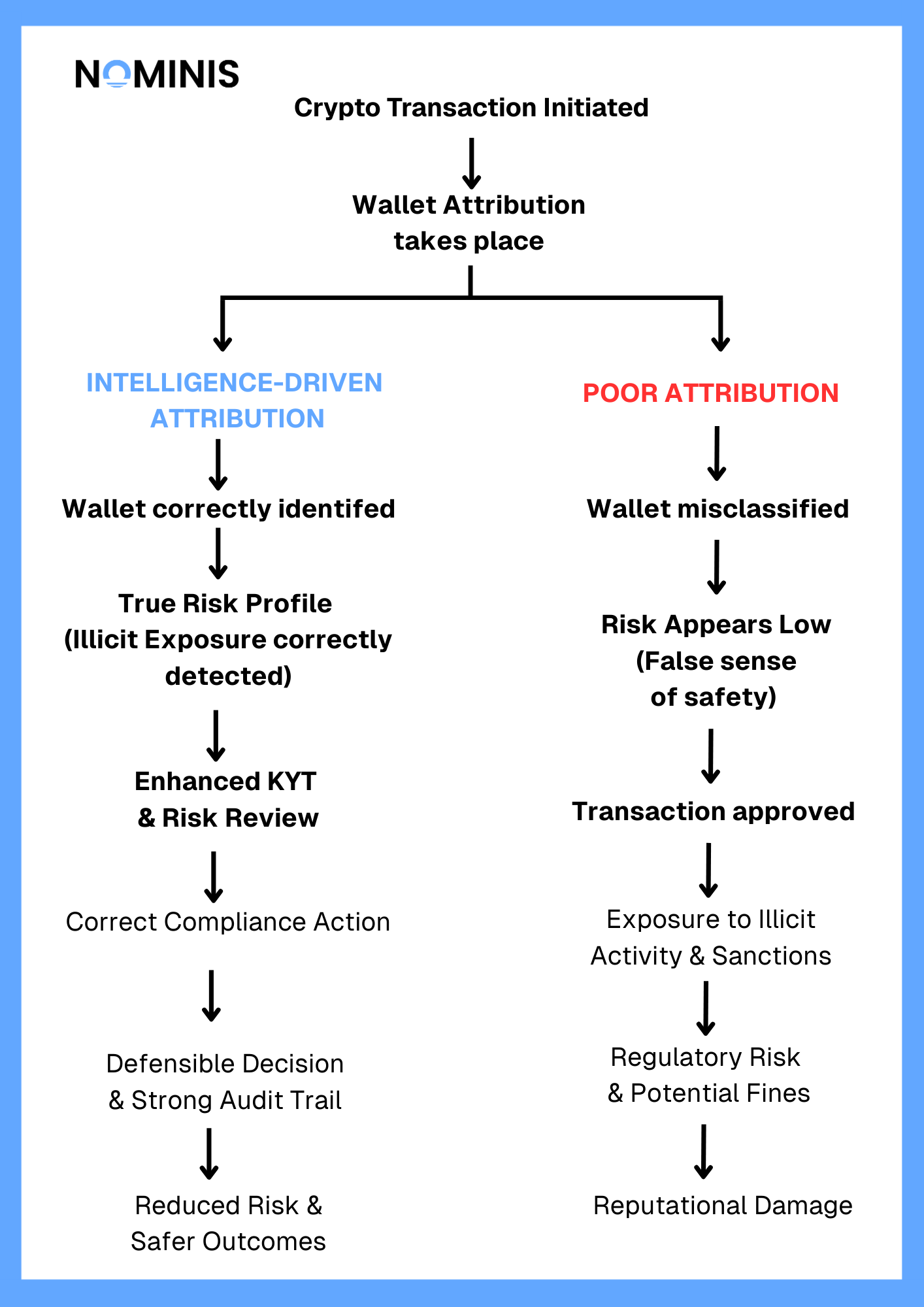
Overall, our webinar reinforced a critical takeaway for crypto businesses and financial institutions alike: Travel Rule compliance is only as strong as the intelligence behind it. Effective implementation requires more than sending messages; it demands high-quality attribution, real-time risk analysis, cross-platform collaboration, and a robust investigative mindset.
As crypto regulation matures, organisations that invest in intelligence-driven compliance will be better positioned to prevent illicit finance, protect customers, and stay ahead of regulatory expectations.
Click here watch a full recording of the webinar.
All research content and accompanying reports are provided for informational purposes only and should not be relied upon as professional advice. Accessing these materials does not create any professional relationship or duty of care. Readers are encouraged to consult appropriately qualified professionals for guidance. We uphold the highest standards of accuracy in all the information we provide. For any questions or feedback, please contact us at contact@nominis.io.


.png)