
Nominis platform: Forensic Tools
Crypto forensics that traces funds to the people behind them
Trace stolen or illicit funds wallet to wallet and chain to chain, through mixers and bridges, and see who is behind them. Forensic tools are built into the Nominis SaaS platform, next to continuous transaction monitoring and wallet screening, so an alert can become a full investigation in one place. They combine on-chain tracing with the human intelligence our investigators use in cases for exchanges, governments and law enforcement, and turn the result into a report that holds up to scrutiny.
Trusted by law enforcement agencies. SOC 2 Type II attested by PwC.
What is crypto forensics?
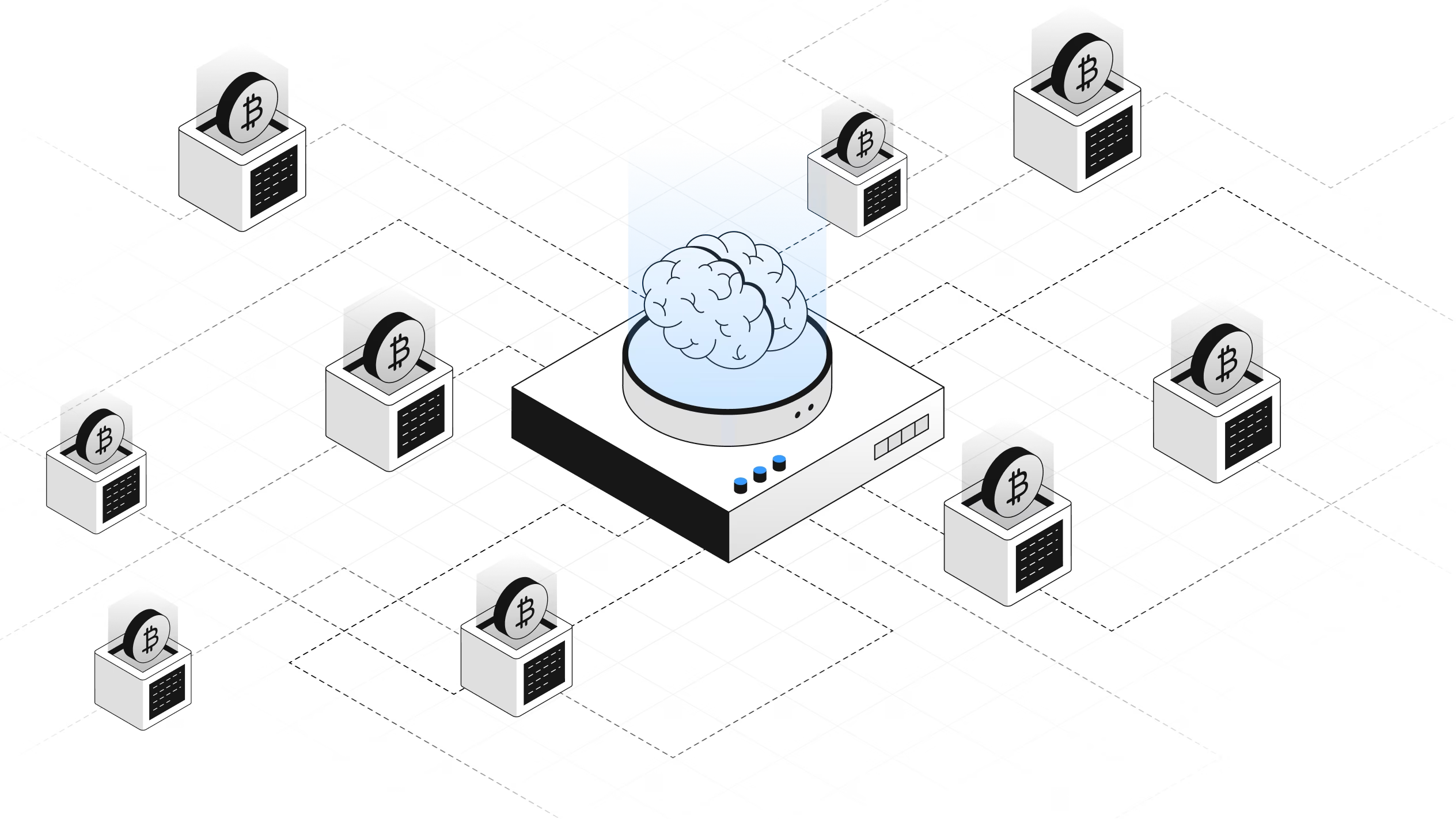
Crypto forensics is the investigation of how digital assets moved: where they came from, which wallets, services and chains they passed through, and where they are now. Investigators use it after hacks and exchange breaches, to map criminal and terror financing networks, to support asset freezes and recovery, and to prove the origin of funds to auditors and regulators.
Blockchain data shows the path of funds but not who controls the wallets. Nominis closes that gap by adding human intelligence, dark web and OSINT sources to on-chain tracing, so an investigation ends with an answer, not a dead end at an unlabelled address.
Investigations Nominis has worked on
Our forensic tools are built and used by the same investigators behind these cases.
IRGC sanctions evasion
Nominis analysis linked at least $150M in transactions tied to Iran's Revolutionary Guard to the UK-registered exchanges Zedcex and Zedxion, as reported by The Washington Post.
Read the article →Strait of Hormuz toll payments
Nominis combined maritime intelligence with on-chain analysis to identify suspicious TRON and BTC wallets linked to the payments, and briefed an INTERPOL audience in Vienna on the findings.
How we work with law enforcement →The $344M USDT freeze
After OFAC-related wallets were frozen, Nominis analysis questioned whether they were under direct IRGC control, as reported by Cointelegraph.
Read the article →What Nominis forensic tools do
Fund flow mapping
See how assets moved wallet to wallet and chain to chain, through mixers and bridges, to their current location, as a clear visual graph.
Cross-chain tracing
Follow funds across 70+ blockchains and 50+ hops, including when they are bridged, swapped or split to hide the trail.
Attribution beyond the chain
Link wallets to dark web activity, flagged entities, known fraud rings and the real operations behind them through HUMINT and OSINT.
Cluster and network mapping
Group addresses controlled by the same actor and map the wider network of wallets, services and counterparties around a case.
Defensible reports
Export reports with timelines, cluster graphs, risk classifications and case notes, ready for regulators, law enforcement or internal review.
API and dashboard
Run deep-dive investigations in the Nominis interface, or connect findings to your own case and compliance tools through the API.
What a Nominis forensic report includes
Fund flow graph
The full path of funds from source to current location, including intermediary wallets, services, mixers and bridges.
Timeline
When each movement happened, so investigators can match on-chain activity to real-world events.
Entities and attribution
Which exchanges, services and actors the funds touched, and what is known about the people behind them.
Risk classifications
Exposure to sanctioned wallets, darknet markets, scams, mixers and other high-risk entities along the path.
Where funds sit now
Balances still held in identifiable wallets or at exchanges, which is where freezes and recovery start.
Case documentation
Notes and an audit trail of how the findings were reached, so the report can be reviewed and defended.
How an investigation works
1. Start from a wallet or transaction
Enter the wallet address or transaction hash you want to investigate on any supported chain.
2. Trace and attribute
The forensic engine maps linked clusters, hop patterns, bridges and dark web references, and adds what our intelligence knows about the actors involved.
3. Report and act
Export a detailed report, share it with compliance or authorities, and move toward a freeze, a filing or a recovery.
Who uses Nominis forensic tools
Frequently asked questions
What is crypto forensics?
Crypto forensics is the investigation of how digital assets moved, where they came from, which wallets, services and chains they passed through, and where they are now. It is used after hacks and fraud, in criminal and terror financing investigations, and to prove the origin of funds.
Can Nominis trace funds across different blockchains?
Yes. Nominis traces funds across 70+ blockchains and 50+ hops, including when they pass through bridges, swaps and mixers.
How is Nominis different from other blockchain forensics tools?
Most forensics tools stop at on-chain data and existing labels. Nominis adds HUMINT, dark web and OSINT intelligence from investigators who work real cases for exchanges, governments and law enforcement, so you can identify who is behind a wallet and not only where funds went.
Can Nominis help recover or freeze stolen crypto?
Nominis identifies where funds sit and which exchanges or issuers hold them, which is the information needed to request a freeze. The freeze itself is carried out by the exchange, issuer or authority involved.
Are Nominis forensic reports suitable for regulators and law enforcement?
Reports include fund flow graphs, timelines, risk classifications and case documentation, and are designed for regulators, law enforcement and internal compliance review.
Does Nominis offer investigation services as well as tools?
Yes. Alongside the forensic tools, our analysts run custom investigations and research on specific entities, networks and markets. See Research and Crypto Intelligence.